

M’East War: Why Nigeria, Others May Adopt ‘Work-From-Home’ Strategy — Dangote
By Gabriel Ogunlana
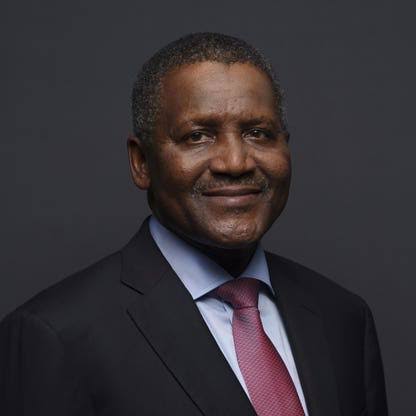
Chairman and CEO of Dangote Group, Aliko Dangote, has stated why Nigerians and other Africans may be asked to work from the comfort of their homes if the ongoing war rocking the Middle East region continues unabated.
The business tycoon made this known on Monday after his meeting with President Bola Ahmed Tinubu at his Ikoyi residence in Lagos adding that this move would help cushion the effects of the gulf conflict on the country’s struggling economy.
The richest man in Africa stressed that the escalating Middle East war had started taking its toll on businesses as the cost of production and management has skyrocketed within a span of one month.
Dangote, “If this thing doesn’t de-escalate, you know, normally we in Africa, we don’t have any reserves in terms of savings.
“And so, people normally go out and look for money for the next day or for even the same day. Some of them, if they don’t work that day, they won’t eat.”
The industrialist said that Indonesia had already led the way by taking the initiative to ask workers.
He added that the Indonesian government may even consider a full work-from-home arrangement akin to the type globally witnessed during the COVID-19 pandemic.
“In some countries today what they’ve done, they asked everybody to work from home because they cannot afford it.
“I think Indonesians also only go to work four days a week. And they will look at the situation if it doesn’t improve, they will ask everybody not to go to work anymore.
“We will do like that time of COVID, where people will work from home,” Dangote stated.
He continued, “It’s not only energy. Some people will try and take a chance and say, ‘Ah, this is an opportunity. So, let me make money.’
“So, if this thing doesn’t de-escalate, it is going to keep going up and up and up, and governments cannot really and add to salaries.
“So, people will really, really feel the pinch,”
Dangote stated that small-scale businesses owned by ordinary people of the continent would bear the brunt of crisis citing barbers, bread sellers, and industries dependent on generators for power.
“People who are barbers, people who make bread, people who have industries, who have to pay for their own generators, you know, I mean, you can see what is happening,” he said.
The Middle East has been embroiled in a conflict following the assassination of former Iran’s supreme leader, Ayatollah Ali Khamenei during airstrikes jointly launched by Israel and the United States.
Israel has attacked many military facilities in Iran and in response, the Islamic state has blocked the straits of Hormouz leading to an increase in the price of crude oil globally.