
Governance & Perception Management
By Kay Lord
I have always maintained that serious governance work happens behind closed doors, away from cameras and public spectacle.
Policy formulation, economic negotiations, institutional restructuring, security coordination, stakeholder engagements and bureaucratic reforms are rarely visible to the ordinary citizen. Those who understand governance know that not all meaningful work is performative.
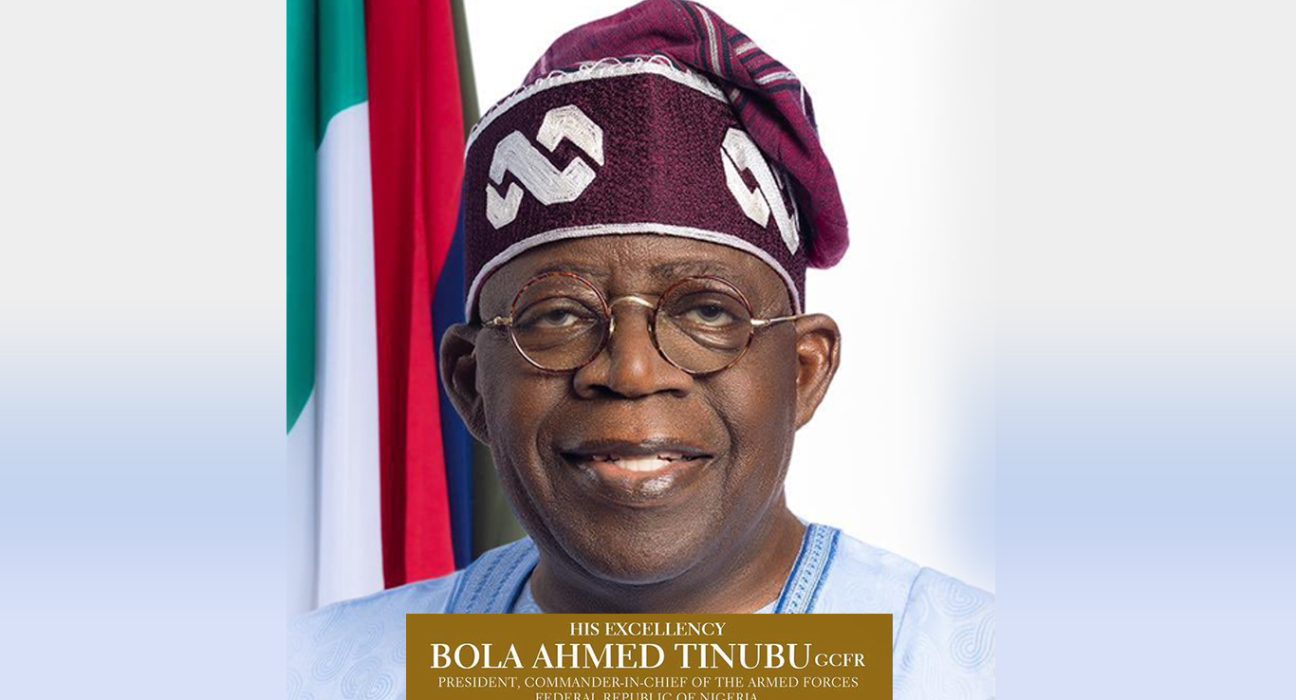
President Bola Ahmed Tinubu has always been an apostle of doing the hard work and allowing the work to speak for itself. That has largely been his governing style for years.
As Governor of Lagos State, this style worked considerably well because Lagos is highly cosmopolitan, politically sophisticated and generally more understanding of long term governance processes. People could physically see the gradual outcomes of reforms around them and connect governance with results.
However, the presidency is an entirely different terrain.
Even when serious work is going on at the back end, there is still a place for strategic photo ops and visible public engagement to help manage perception.
Governance is not only about doing the work; it is also about communicating reassurance, especially in difficult times when citizens are burdened by hardship, uncertainty, anxiety and emotional exhaustion.
President Tinubu’s public engagements, in my view, have not quite matched the enormous amount of work he’s carrying out behind the scenes.
In a nation like Nigeria that feeds heavily on performative political expression, optics matter whether we like it or not. Citizens want to see leadership. They want to hear leadership. They want to feel leadership.
This becomes even more important during moments of national tragedy, insecurity or public grief. In such moments, many citizens instinctively interpret reduced public visibility as emotional detachment or insensitivity, even when that is not the reality.
Emotions rarely understand that meetings are being held behind closed doors, that decisions are being coordinated quietly, or that interventions are already being designed. Emotions respond to presence, visibility, words and reassurance.
The average citizen is not privy to what happens in policy rooms, security briefings, economic negotiations or institutional reforms. They only judge from what they can see and feel.
When people are hurting emotionally, silence or limited public engagement can unintentionally create the impression that leadership is absent, even when serious governance work is actively ongoing.
This is where photo ops become important, not as empty propaganda, but as a necessary complement to governance. A leader being visibly engaged, speaking to citizens, meeting stakeholders, responding publicly during difficult moments and showing emotional presence can help calm anxieties and reassure the public that government is attentive.
Politics is emotional as much as it is rational. Governance majorly happen behind the scenes, but leadership must also be seen in front of the scenes. The enormous work going on at the back end must be complemented by stronger perception management at the front end.
President Tinubu, in my opinion, may need to appear more, speak more and engage more. Not because work is not being done, but because citizens need visible reassurance while waiting for the outcomes of difficult situations to materialise.
Selah!