



Tension In Abuja As Alleged DSS Memo Warns Of Terrorists’ Attacks
By Olumuyiwa Olumuyiwa
Residents of the Abuja, the Federal Capital Territory (FCT) are living in apprehension of possible attacks from terrorists to cause pandemic in the city and disrupt their daily activities.
The apprehension was sparked by the emergence of a supposed classified document widely believed to have been issued by the Department of State Services (DSS).
According to memo the security services warned of planned coordinated and multiple attacks on strategic targets in the FCT.
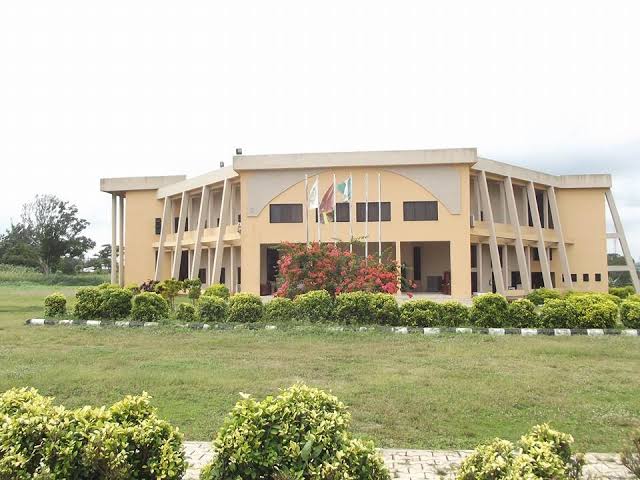
The document, which has circulated online, allegedly identified multiple strategic targets, including the Nnamdi Azikiwe International Airport, the Kuje Correctional Centre, and other sensitive installations across Abuja.
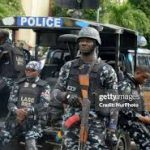
Meanwhile, in a bid to beef up the security in the country’s capital, particularly the targets in question, security agencies, including the Nigeria Police Force, Nigeria Immigration Service and Nigerian Correctional Service, have mobilised their officials to strategic locations.
The alert was reportedly made after an internal memo by the Nigeria Customs Service, which warned of plans by Islamic State West Africa Province, Boko Haram, Ansaru and JNIM to attack the Nnamdi Azikiwe International Airport, Kuje Custodial Centre and a military detention facility in Wawa, Niger State.
The document indicated that ISWAP fighters had already infiltrated parts of the Federal Capital Territory in preparation for coordinated attacks, with a possible objective of freeing detained insurgents.
Although, authorities have not officially confirmed the authenticity of the document, security deployments have since been intensified across the city.
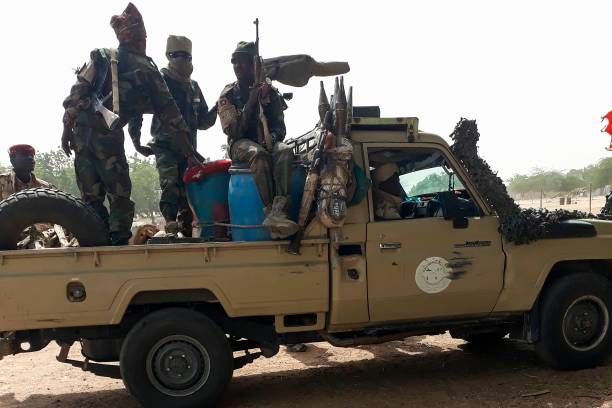
Joint patrols by police and military personnel have increased, alongside expanded stop-and-search operations at major entry points, transport hubs, and public spaces.
In response to the development, security agencies have strengthened surveillance and operational visibility across the capital. Checkpoints have been reinforced, and patrols intensified in what officials describe as preventive measures aimed at deterring any potential threat.
Residents report heightened security presence in major districts, with armed personnel stationed at key intersections and infrastructure corridors